We Use CookiesWe use cookies to enhance the security, performance, functionality and for analytical and promotional activities. By continuing to browse this site you are agreeing to our privacy policy

10 Best Scuba Diving Computers 2026 in the United States
How do we rank products for you?

Our technology thoroughly searches through the online shopping world, reviewing hundreds of sites. We then process and analyze this information, updating in real-time to bring you the latest top-rated products. This way, you always get the best and most current options available.

headphones-stars

Our Top Picks

#1

Winner

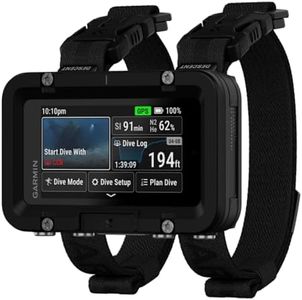
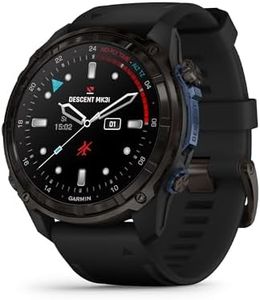
Garmin Descent™ Mk3i, Dive Computer and Multisport GPS Smartwatch, Air Integration, Black Titanium

Rating
10.0
Chosen by1,433
Battery Type
Air Integration

Most important from
115 reviews

Battery Type
The battery life is outstanding and the watch performs flawlessly during scuba dives.
Air Integration
The wireless air pod integration provides excellent safety by allowing real-time air supply monitoring and tracking of less experienced divers.

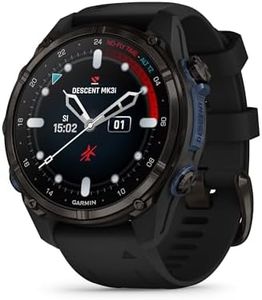
The Garmin Descent Mk3i is a premium scuba diving computer designed like a smartwatch, featuring a bright 1.4-inch AMOLED display that’s easy to read even underwater. It has a robust 200-meter dive rating and a durable titanium case with scratch-resistant sapphire glass, making it tough enough for serious divers. One standout feature is its advanced air integration system, which uses SubWave sonar technology to monitor tank pressure and share messages with up to eight divers nearby—ideal for group dives and enhancing safety. The dive computer supports multiple dive modes, from recreational to technical and freediving, giving flexibility for various diving styles.

It also includes a built-in LED flashlight with adjustable brightness and color modes, which is very useful in low-visibility conditions underwater. The Garmin Descent Mk3i offers dive planning support by tracking lifestyle factors like sleep and stress to help you decide if your body is ready for diving, although this is an estimate rather than a medical assessment. GPS and ABC (altimeter, barometer, compass) sensors assist with navigating above water and around dive sites, though GPS doesn’t work underwater.

With Bluetooth and USB connectivity, the watch syncs dive logs and data with Garmin's Dive app, making it easy to review your dives and share information. It also functions as a multisport smartwatch with health monitoring features such as heart rate and sleep tracking. The battery is rechargeable lithium polymer, and the watch weighs about 166 grams, which is relatively lightweight for its size and features. The advanced air integration system requires a separate transceiver device, adding to the cost. The GPS is not usable underwater, but that's standard for dive computers. The watch is relatively large at 51 mm, which might feel bulky on smaller wrists. While it has many features, beginners might find the interface complex initially. For serious recreational or technical divers wanting a robust, feature-rich dive computer with smartwatch benefits, the Garmin Descent Mk3i is a strong choice.

Rating
10.0
Chosen by1,433
Battery Type
Air Integration

Most important from
115 reviews

Battery Type
The battery life is outstanding and the watch performs flawlessly during scuba dives.
Air Integration
The wireless air pod integration provides excellent safety by allowing real-time air supply monitoring and tracking of less experienced divers.
#2

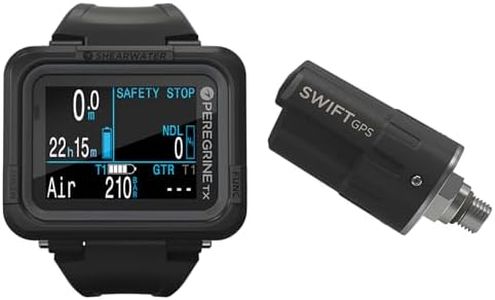
Shearwater Research Tern TX x Swift Transmitter Dive Computer

Rating
10.0
Display Type
User Interface
Battery Type

Most important from
16 reviews

Display Type
The color screen is fantastic and customizable, allowing you to display only the information you want during dives.
User Interface
Setup is quick and user-friendly, enabling divers to get started with ease right out of the box.
Battery Type
The rechargeable battery eliminates the hassle of frequent replacements, offering long-lasting power for extended diving.
Air Integration
The transmitter pairs seamlessly and provides accurate tank pressure readings with an easily swappable battery.
Algorithm
Its solid algorithms and illuminated display make night dives safer and more enjoyable.
Connectivity
The device intuitively adapts to your dive profile and integrates well with the free companion app for dive logging.

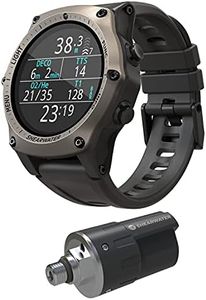
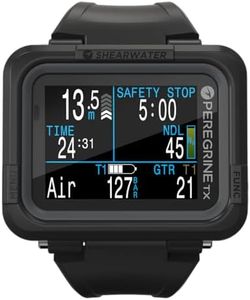
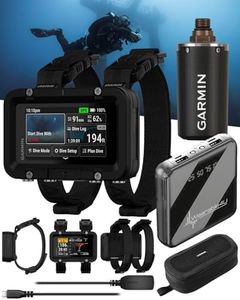
The Shearwater Research Tern TX x Swift Transmitter is a smart choice for divers who want a reliable and versatile dive computer. Its vivid, full-color display offers excellent clarity and brightness, making it easy to read in different underwater conditions—a big plus for any diver. The computer supports dual tank pressure transmitters, providing enhanced air integration for managing multiple gas mixes, which is especially useful for technical or advanced recreational diving. It also covers various diving modes including recreational, technical, closed-circuit, and free diving, so it can adapt as your diving skills grow or if you try different dive types.

The smart Bluetooth connectivity allows easy syncing of dive logs with mobile and desktop apps, simplifying dive tracking and planning. Another strength is its rechargeable lithium-ion battery, which offers long-lasting power to keep you diving longer without worrying about frequent replacements. The unit weighs 1.4 pounds and measures 6 x 6 x 6 inches, making it somewhat bulkier compared to some competitors, which might be less comfortable for those who prefer a lighter or more compact device. While it ranks well within digital diving gauges, it’s not among the top sellers in the broader sports category, which suggests it’s geared more towards dedicated divers rather than casual users.

For those seeking a robust, feature-rich dive computer with excellent air integration and a bright display, the Tern TX is worth considering, especially if you dive in various modes and value easy data management.

Rating
10.0
Display Type
User Interface
Battery Type

Most important from
16 reviews

Display Type
The color screen is fantastic and customizable, allowing you to display only the information you want during dives.
User Interface
Setup is quick and user-friendly, enabling divers to get started with ease right out of the box.
Battery Type
The rechargeable battery eliminates the hassle of frequent replacements, offering long-lasting power for extended diving.
Air Integration
The transmitter pairs seamlessly and provides accurate tank pressure readings with an easily swappable battery.
Algorithm
Its solid algorithms and illuminated display make night dives safer and more enjoyable.
Connectivity
The device intuitively adapts to your dive profile and integrates well with the free companion app for dive logging.
#3

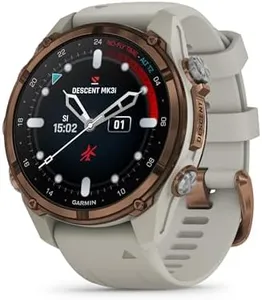
Garmin Descent™ Mk3i, Dive Computer and Multisport GPS Smartwatch, Air Integration, French Gray

Rating
8.8
Display Type
Air Integration
Algorithm

Most important from
115 reviews

Display Type
The vibrant AMOLED display marks a significant improvement, delivering clear visibility and an enjoyable user experience.
Air Integration
The integrated air system combined with diver-to-diver messaging creates essential communication for group diving scenarios.
Algorithm
Advanced features operate flawlessly after a short learning curve, balancing complexity with ease of use.
Connectivity
GPS functionality enhances dive tracking, though dive location input requires manual confirmation.
User Interface
Customizing screen modes could be more intuitive to match personal preferences and improve usability.

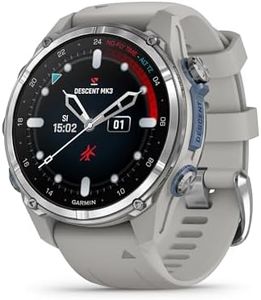
The Garmin Descent Mk3i is a compact dive computer designed especially for divers with smaller wrists who want a high-quality, watch-style device. Its vibrant 1.2-inch AMOLED screen offers clear visibility underwater, protected by a durable sapphire lens and a sturdy stainless steel bezel. Rated for dives up to 200 meters, it supports a range of diving modes from recreational to advanced technical scuba and freediving, making it versatile for many divers. One of its standout features is the advanced SubWave sonar technology, which allows air integration and diver-to-diver messaging up to 30 meters when paired with the separate Descent T2 transceiver. This is ideal for group diving and tank pressure monitoring, though the transceiver is sold separately.

The device also includes useful tools like a dive readiness indicator that factors in your physical condition and lifestyle to help plan safer dives. Navigation is enhanced by multi-band GPS and an underwater compass, while DiveView maps provide detailed bathymetric data and thousands of dive site options. Battery life is solid with a rechargeable lithium-ion battery, and the watch offers a user-friendly interface with metal leakproof buttons designed for underwater use. Connectivity features such as Bluetooth and USB syncing enable easy transfer of dive logs to Garmin's smartphone app for review and sharing.

Beyond diving, the Mk3i functions as an everyday smartwatch with fitness tracking, health monitoring, contactless payments, music storage, and smart notifications, making it a well-rounded device. Its lighter weight and smaller size improve comfort during extended wear, though this may come with a slightly smaller display area compared to larger models. Some advanced features require optional accessories or software updates, which can affect the total cost. The Garmin Descent Mk3i is well-suited for serious scuba divers seeking a high-tech, reliable dive computer that also serves as a versatile multisport smartwatch, particularly those with smaller wrists who desire comfort without sacrificing features.

Rating
8.8
Display Type
Air Integration
Algorithm

Most important from
115 reviews

Display Type
The vibrant AMOLED display marks a significant improvement, delivering clear visibility and an enjoyable user experience.
Air Integration
The integrated air system combined with diver-to-diver messaging creates essential communication for group diving scenarios.
Algorithm
Advanced features operate flawlessly after a short learning curve, balancing complexity with ease of use.
Connectivity
GPS functionality enhances dive tracking, though dive location input requires manual confirmation.
User Interface
Customizing screen modes could be more intuitive to match personal preferences and improve usability.

Buying Guide for the Best Scuba Diving Computers

Choosing the right scuba diving computer is crucial for ensuring your safety and enhancing your diving experience. A diving computer helps you monitor your depth, time, and decompression status, making it an essential piece of equipment for any diver. When selecting a diving computer, consider your diving experience, the type of diving you plan to do, and the features that will best support your needs. Here are some key specifications to consider when choosing a scuba diving computer.
Display TypeThe display type of a diving computer can be either LCD, LED, or OLED. This spec is important because it affects how easily you can read the information underwater. LCD displays are common and generally more affordable, but they may be harder to read in low light conditions. LED displays are brighter and easier to read, but they can consume more battery power. OLED displays offer the best visibility with vibrant colors and high contrast, making them ideal for deep or night dives. Choose a display type that suits your diving environment and personal preference for readability.
Air IntegrationAir integration allows your diving computer to monitor your tank pressure and calculate your remaining air time. This feature is important for managing your air supply and ensuring you have enough air for a safe ascent. There are two types of air integration: hose-integrated and wireless. Hose-integrated systems are connected directly to your regulator, while wireless systems use a transmitter attached to your tank. If you want real-time air monitoring and a more streamlined setup, consider a diving computer with wireless air integration.
AlgorithmThe algorithm used by a diving computer determines how it calculates decompression limits and no-decompression times. This spec is crucial for your safety, as it affects how conservatively or aggressively the computer manages your dive profile. Common algorithms include Bühlmann, RGBM, and VPM. Bühlmann algorithms are widely used and offer a good balance between safety and dive time. RGBM and VPM algorithms are more conservative, providing additional safety margins. Choose an algorithm that matches your diving style and risk tolerance.
Battery TypeThe battery type of a diving computer can be either user-replaceable or rechargeable. This spec is important for convenience and long-term use. User-replaceable batteries allow you to quickly swap out batteries on the go, which is useful for extended trips. Rechargeable batteries are more environmentally friendly and can be charged between dives, but they may require access to a power source. Consider your diving habits and how often you dive when choosing the battery type that best suits your needs.
Size and WeightThe size and weight of a diving computer affect its comfort and portability. This spec is important because a bulky or heavy computer can be cumbersome to wear, especially on long dives. Smaller, lightweight models are more comfortable and less obtrusive, making them ideal for travel and frequent use. However, larger models may offer bigger displays and more features. Consider your comfort and how you plan to use the computer when deciding on the size and weight that works best for you.
ConnectivityConnectivity features, such as Bluetooth or USB, allow you to transfer dive data to your computer or smartphone. This spec is important for logging and analyzing your dives, as well as sharing your experiences with others. Bluetooth connectivity offers wireless convenience, while USB connections provide reliable data transfer. If you enjoy tracking your dive history and sharing your adventures, look for a diving computer with robust connectivity options.
User InterfaceThe user interface of a diving computer includes the buttons, menus, and overall ease of use. This spec is important because a complicated interface can be frustrating and distracting underwater. Simple, intuitive interfaces with easy-to-navigate menus and clear instructions are ideal, especially for beginners. More advanced divers may prefer computers with customizable settings and additional features. Choose a user interface that matches your experience level and comfort with technology.

FAQ