We Use CookiesWe use cookies to enhance the security, performance, functionality and for analytical and promotional activities. By continuing to browse this site you are agreeing to our privacy policy

10 Best Podcast Microphones 2025 in the United States

How do we rank products for you?

Our technology thoroughly searches through the online shopping world, reviewing hundreds of sites. We then process and analyze this information, updating in real-time to bring you the latest top-rated products. This way, you always get the best and most current options available.

headphones-stars

Our Top Picks

#1

Winner

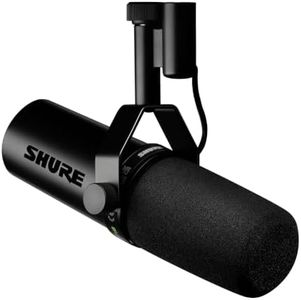
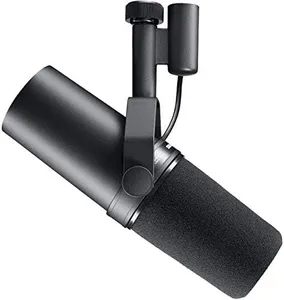
Shure SM7dB Dynamic Vocal Microphone with Built-in Preamp – Studio Mic for Streaming, Podcasting, and Recording – Smooth Sound, Wide Frequency Range, Rugged Build, Windscreen Included, Black

Rating
10.0
Chosen by1,118
Microphone Type
Frequency Response
Build Quality

Most important from
12528 reviews

Microphone Type
If you have a home studio that isn't properly treated acoustically, favor dynamic microphones in your setup. The SM7dB is perfect for this scenario.
Frequency Response
The Shure SM7dB is a great choice even in a properly treated studio. The low boost and tapered high end are flattering, unlike some condenser microphones.
Build Quality
Build quality... state of the art. It's a hefty microphone, but every bit of the weight is intentional.
Additional Features
The on-mic air suspension functions as a massive buffer from desk bumps, movement, and other issues you're familiar with on lesser microphones.

The Shure SM7dB Dynamic Vocal Microphone is a solid contender in the podcast microphone category, designed for streaming, recording, and content creation. It boasts a legendary sound quality with its warm tone, appreciated by many broadcasters and vocalists. The built-in preamp is a standout feature, offering up to plus 28 dB of clean gain, which helps to enhance quieter sources like vocals without adding noise. This is particularly beneficial for podcasters seeking a polished sound without needing extra equipment.

The microphone’s cardioid polar pattern effectively isolates your voice, minimizing background noise, which is a great advantage if you’re recording in less-than-ideal spaces. Plus, with a frequency response that covers 50 to 20,000 Hz, it captures a wide range of audio details. The ability to switch the gain levels and bypass the preamp adds versatility, allowing you to tailor the microphone’s output to your specific needs.

However, the SM7dB isn’t without its drawbacks. One potential downside is that it requires a mixer or interface that provides 48V phantom power to operate the preamp, which might complicate the setup for some users. Additionally, its weight (2.7 pounds) may be cumbersome for those looking for a lightweight option. The price point may also be higher compared to other microphones in the market, potentially putting it out of reach for beginners.

The Shure SM7dB is particularly well-suited for dedicated podcasters and those who prioritize sound quality in their recordings. Its rugged build quality and included windscreen make it a reliable choice for various environments, though it may require additional gear for optimal performance. For those willing to invest in a high-quality microphone, the SM7dB is likely to enhance your audio experience significantly.

Rating
10.0
Chosen by1,118
Microphone Type
Frequency Response
Build Quality

Most important from
12528 reviews

Microphone Type
If you have a home studio that isn't properly treated acoustically, favor dynamic microphones in your setup. The SM7dB is perfect for this scenario.
Frequency Response
The Shure SM7dB is a great choice even in a properly treated studio. The low boost and tapered high end are flattering, unlike some condenser microphones.
Build Quality
Build quality... state of the art. It's a hefty microphone, but every bit of the weight is intentional.
Additional Features
The on-mic air suspension functions as a massive buffer from desk bumps, movement, and other issues you're familiar with on lesser microphones.
#2

Shure SM7B Vocal Dynamic Microphone – XLR Studio Mic for Podcasting, Recording, Broadcasting, Streaming & Gaming – Smooth, Warm Sound, Rugged Build, Detachable Windscreen, Wide Frequency Range, Black

Rating
9.4
Microphone Type
Polar Pattern
Connectivity

Most important from
12528 reviews

Microphone Type
Delivers rich, warm, and professional-grade sound that instantly elevates audio quality.
Polar Pattern
Effectively isolates voice with incredible clarity while rejecting background noise, ideal for untreated rooms.
Connectivity
Requires a quality audio interface or preamp with sufficient gain to unlock its full potential.
Build Quality
Built like a tank with premium construction, designed to last through extensive use.
Additional Features
Just out of the box, it provides amazing, rock-solid audio without complicated setup or adjustments.

The Shure SM7B is a highly respected dynamic microphone well-suited for podcasting, streaming, and vocal recording. Its unidirectional (cardioid) polar pattern effectively isolates your voice from background noise, which is great for clean, professional-sounding podcasts. The wide frequency response helps capture natural and smooth audio, giving voices a warm, studio-quality tone. One standout feature is its built-in pop filter and shock isolation that reduce unwanted noises like breath sounds and vibrations, making your recordings clearer without extra accessories.

The microphone connects via XLR, a standard for professional audio, allowing you to adjust sound settings precisely using an audio interface. However, this also means it requires additional equipment such as a mixer or preamp, which might be a consideration for beginners. The SM7B is built tough with metal construction and advanced shielding to prevent interference from other electronic devices, ensuring reliable performance over time. It also comes with a detachable windscreen and control options for shaping your sound further.

It does require a good amount of gain (power boost) to reach its best sound quality, which means cheap or simple audio interfaces may not deliver optimal results. Also, it’s bulkier and heavier than typical USB podcast mics, so portability is limited. For those seeking a professional-level microphone that delivers rich, clear voice capture and are willing to invest in proper audio gear, the Shure SM7B is an excellent choice for podcasting and related uses.

Rating
9.4
Microphone Type
Polar Pattern
Connectivity

Most important from
12528 reviews

Microphone Type
Delivers rich, warm, and professional-grade sound that instantly elevates audio quality.
Polar Pattern
Effectively isolates voice with incredible clarity while rejecting background noise, ideal for untreated rooms.
Connectivity
Requires a quality audio interface or preamp with sufficient gain to unlock its full potential.
Build Quality
Built like a tank with premium construction, designed to last through extensive use.
Additional Features
Just out of the box, it provides amazing, rock-solid audio without complicated setup or adjustments.
#3

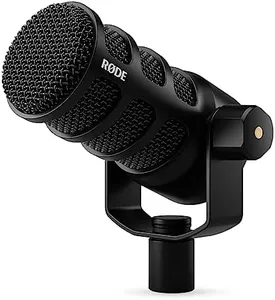
RØDE PodMic USB Versatile Dynamic Broadcast Microphone With XLR and USB Connectivity for Podcasting, Streaming, Gaming, Music-Making and Content Creation

Rating
9.4
Connectivity
Build Quality
Additional Features

Most important from
7827 reviews

Connectivity
The dual connectivity options with XLR and USB-C make it incredibly versatile, perfect for travelers and those who switch between setups.
Build Quality
While the microphone's weight might require a sturdier desk arm, it's a minor trade-off for its solid build and performance.
Additional Features
Setting up the PodMic USB is a breeze, making users feel like professional broadcasters in minutes.

The RØDE PodMic USB is a versatile dynamic broadcast microphone designed for various content creation activities such as podcasting, streaming, gaming, and music-making. One of its standout features is its dual connectivity options, offering both XLR and USB-C ports. This allows users to connect the microphone to traditional audio interfaces and mixers as well as directly to computers, which is highly convenient for different recording setups.

The built-in headphone port for zero-latency monitoring and dedicated volume control is another practical addition, making it easier to monitor audio in real-time without delays. The internal DSP and effects accessible via the RØDE Central app, including the APHEX Aural Exciter and Big Bottom processors, provide enhanced audio quality and customization options. The microphone’s unidirectional polar pattern is effective in focusing on the user's voice, reducing background noise.

In terms of build quality, the PodMic USB boasts a robust all-metal construction, ensuring durability over time. The internal shock mount and dual pop filters are designed to minimize unwanted noises and plosives, resulting in clearer voice reproduction. However, the microphone’s weight of 1.9 pounds and its compact dimensions may make it less portable compared to lighter options. Additionally, while it excels in capturing clear and natural voice audio, it might not be the best choice for recording more nuanced soundscapes or environments requiring higher sensitivity. Despite these minor drawbacks, the RØDE PodMic USB is considered a reliable and high-performing option in the podcast microphone category.

Rating
9.4
Connectivity
Build Quality
Additional Features

Most important from
7827 reviews

Connectivity
The dual connectivity options with XLR and USB-C make it incredibly versatile, perfect for travelers and those who switch between setups.
Build Quality
While the microphone's weight might require a sturdier desk arm, it's a minor trade-off for its solid build and performance.
Additional Features
Setting up the PodMic USB is a breeze, making users feel like professional broadcasters in minutes.

Buying Guide for the Best Podcast Microphones

Choosing the right podcast microphone is crucial for ensuring high-quality audio for your listeners. The right microphone can make your voice sound clear and professional, which is essential for keeping your audience engaged. When selecting a podcast microphone, consider the following key specifications to find the best fit for your needs.
Microphone TypeMicrophones come in different types, with the most common being dynamic and condenser microphones. Dynamic microphones are durable and handle high sound pressure levels well, making them ideal for loud environments or live settings. Condenser microphones are more sensitive and provide a higher level of detail, which is great for studio recordings. If you are recording in a controlled, quiet environment, a condenser microphone might be the best choice. For more versatile or on-the-go recording, a dynamic microphone could be more suitable.
Polar PatternThe polar pattern of a microphone determines how it picks up sound from different directions. The most common patterns are cardioid, omnidirectional, and bidirectional. Cardioid microphones pick up sound primarily from the front, which is ideal for solo podcasting as it minimizes background noise. Omnidirectional microphones capture sound equally from all directions, which can be useful for group discussions or interviews. Bidirectional microphones pick up sound from the front and back, making them suitable for face-to-face interviews. Choose a polar pattern based on your recording setup and the number of participants.
Frequency ResponseFrequency response refers to the range of frequencies a microphone can capture. A flat frequency response is ideal for capturing a natural and accurate sound, while a tailored frequency response can enhance certain frequencies, such as the human voice. For podcasting, a microphone with a frequency response that emphasizes mid-range frequencies (where the human voice resides) can make your voice sound clearer and more present. Consider your voice type and the sound you want to achieve when evaluating frequency response.
ConnectivityMicrophones can connect to recording devices via USB or XLR. USB microphones are easy to use and connect directly to your computer, making them a great choice for beginners or those who want a simple setup. XLR microphones require an audio interface or mixer, which can provide better sound quality and more control over your audio. If you are just starting out or prefer a straightforward setup, a USB microphone might be the best option. For more advanced users or those seeking higher audio quality, an XLR microphone is worth considering.
Build QualityThe build quality of a microphone affects its durability and longevity. A well-built microphone can withstand regular use and transportation without compromising sound quality. Look for microphones made from sturdy materials like metal, and consider features like shock mounts and pop filters that can protect the microphone and improve recording quality. If you plan to travel with your microphone or use it frequently, investing in a durable model is important.
Additional FeaturesSome microphones come with additional features like built-in headphone jacks for real-time monitoring, gain control, and mute buttons. These features can enhance your recording experience by providing more control and convenience. Consider what additional features might be useful for your podcasting needs. For example, real-time monitoring can help you catch issues during recording, while gain control allows you to adjust the microphone's sensitivity on the fly.

FAQ