We Use CookiesWe use cookies to enhance the security, performance, functionality and for analytical and promotional activities. By continuing to browse this site you are agreeing to our privacy policy

10 Best mountaineering snowshoes 2026 in the United States
How do we rank products for you?

Our technology thoroughly searches through the online shopping world, reviewing hundreds of sites. We then process and analyze this information, updating in real-time to bring you the latest top-rated products. This way, you always get the best and most current options available.

headphones-stars

Our Top Picks

#1

Winner

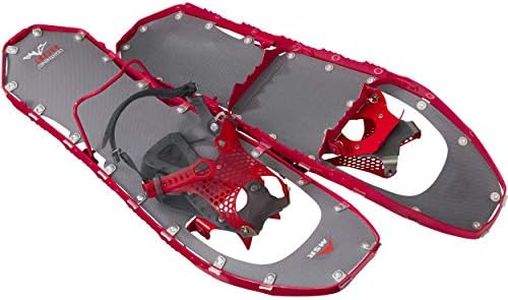
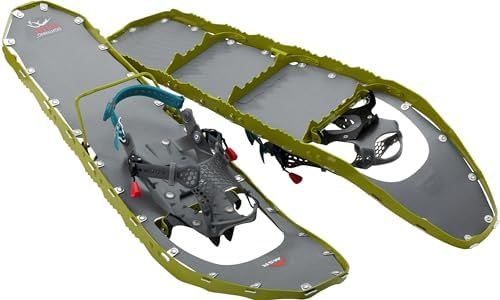
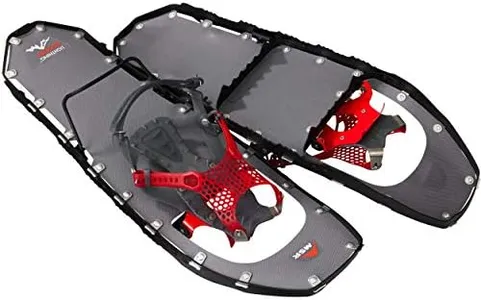
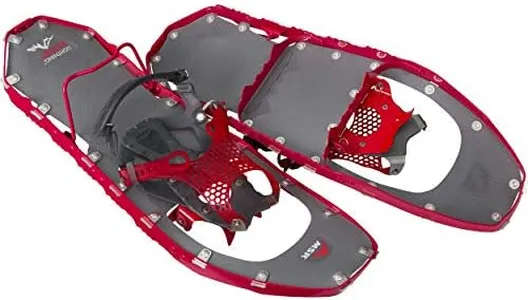
MSR Lightning Ascent Women's Backcountry & Mountaineering Snowshoes with Paragon Bindings, 22 Inch Pair, Raspberry

The MSR Lightning Ascent Women's Snowshoes are designed specifically for the winter hiking enthusiast, particularly those with a narrower stride. Weighing just 3.88 lbs, they are lightweight and ideal for challenging mountainous terrains. One of their standout features is the 360-degree traction frame, which provides excellent grip, especially during traverses and steep ascents, making them suitable for more demanding snowshoeing adventures.

The inclusion of durable steel DTX crampons really adds to their capability on alpine slopes, ensuring that you can tackle icy paths with confidence. Additionally, the Paragon bindings offer a comfortable fit with easy foot control, which helps eliminate pressure points—a significant advantage for long hikes.

Another noteworthy feature is the Ergo Televator heel lift bar, which enhances uphill efficiency and reduces fatigue when climbing steep areas. This is particularly advantageous for those who plan to spend extended hours exploring snowy landscapes. These snowshoes are an excellent choice for women who enjoy backcountry snowshoeing and mountaineering, providing both performance and comfort. They're especially well-suited for users who prioritize lightweight designs and superior traction in steep, challenging terrains, while potential buyers should consider their weight limit and sizing to ensure they meet their specific snowshoeing needs.

#2

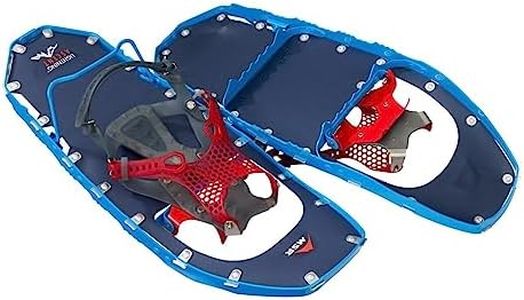
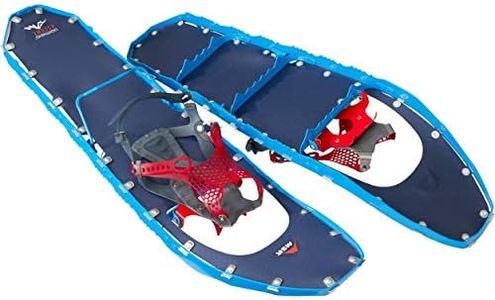
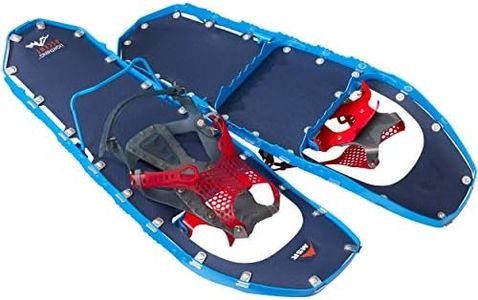
MSR Lightning Ascent Backcountry & Mountaineering Snowshoes with Paragon Bindings, 25 Inch Pair, Cobalt Blue

Rating
8.5
Size
Bindings
Traction

Most important from
148 reviews

Size
Despite their larger size, they offer excellent mobility and traction, suitable for various snow depths and conditions.
Bindings
The Paragon bindings are excellent, ensuring that the snowshoes stay on and provide a comfortable fit without falling off.
Traction
These snowshoes are perfect for serious snowshoeing like trail breaking, consistently keeping you on top of the snow with incredible traction on steep slopes.
Heel Lift
The bindings are comfortable, easy to put on and take off, and the lifters can be raised and lowered with a trekking pole, making steep climbs easier.
Weight
They are lightweight and easy to strap on over boots of different sizes, making them practical for both recreational snowshoeing and everyday use in heavy snow conditions.

The MSR Lightning Ascent snowshoes are designed for serious mountaineers and backcountry adventurers, making them a strong choice for those who tackle rugged terrains and steep slopes. Weighing in at just 4.33 pounds for the pair, they are lightweight, which is a huge plus for long hikes. Their 360-degree Traction Frames and durable steel DTX crampons provide excellent grip, which is essential for icy or challenging surfaces. This means you can feel secure while navigating tough conditions.

One of the standout features is the Paragon binding system, which offers a snug fit that feels comfortable without putting pressure on your feet. This is important for long excursions where comfort can make a big difference in performance. Additionally, the Ergo Televator heel lift bar is a thoughtful feature that helps reduce fatigue during steep climbs by allowing for a better angle of ascent.

There are a few drawbacks to consider. The snowshoes are limited to a maximum weight of 220 pounds, which means they may not be suitable for everyone, especially if you're carrying extra gear. Also, while the size (25 inches) works well for many, it may not be the best fit for those looking for smaller or larger options, as they might not be as versatile in varying snow conditions. In terms of design, while the cobalt blue color is visually striking, it may not appeal to everyone. The price point is another consideration; they are positioned at a premium level, which might not fit every budget. These snowshoes are ideal for dedicated snowshoers who venture into tough backcountry areas and prioritize performance and comfort. If you fit that profile, the MSR Lightning Ascent snowshoes could be a great addition to your gear.

Rating
8.5
Size
Bindings
Traction

Most important from
148 reviews

Size
Despite their larger size, they offer excellent mobility and traction, suitable for various snow depths and conditions.
Bindings
The Paragon bindings are excellent, ensuring that the snowshoes stay on and provide a comfortable fit without falling off.
Traction
These snowshoes are perfect for serious snowshoeing like trail breaking, consistently keeping you on top of the snow with incredible traction on steep slopes.
Heel Lift
The bindings are comfortable, easy to put on and take off, and the lifters can be raised and lowered with a trekking pole, making steep climbs easier.
Weight
They are lightweight and easy to strap on over boots of different sizes, making them practical for both recreational snowshoeing and everyday use in heavy snow conditions.
#3

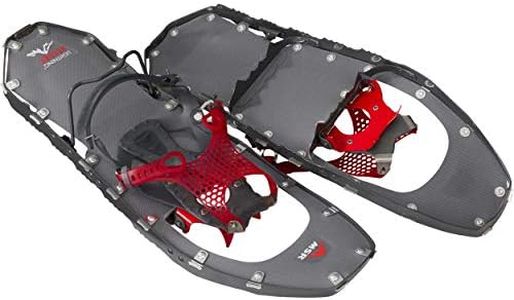
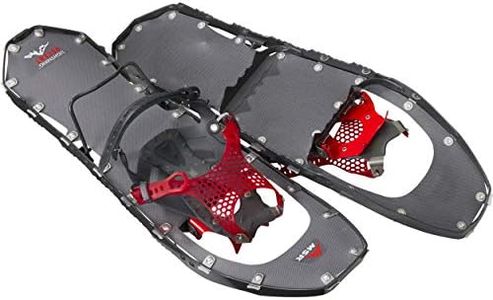
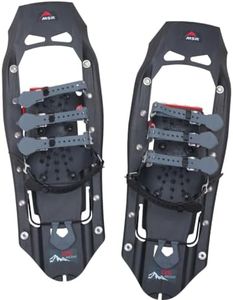
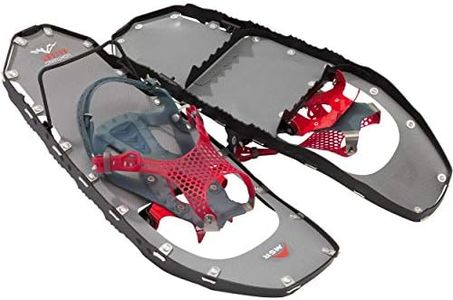
MSR Lightning Ascent Women's Backcountry & Mountaineering Snowshoes with Paragon Bindings, 22 Inch Pair, Gunmetal

Rating
8.5
Traction
Weight

Most important from
50 reviews

Traction
The solid base provides exceptional stability, preventing any sliding during steep ascents or descents.
Weight
These snowshoes deliver a comfortable and lightweight experience, making long treks feel effortless.

The MSR Lightning Ascent Women's snowshoes are designed specifically for backcountry mountaineering and winter hiking on mountainous terrain. Measuring 22 inches long and 7.25 inches wide, these snowshoes suit users with a narrower stride. Weighing just under 4 pounds per pair, they are ultralight, making them easier to carry over long distances or steep climbs. The frame is made of durable alloy steel, offering a strong yet lightweight structure.

A standout feature is the 360-degree traction frame combined with steel crampons, which provide excellent grip and stability on icy or uneven alpine surfaces. This ensures reliable edge-to-edge control, particularly useful on tricky traverses and steep ascents. The Paragon bindings offer a comfortable, secure fit with a single strap design that wraps snugly around the boot, reducing pressure points and improving foot control without being difficult to adjust. Additionally, the Ergo Televator heel lift bar can be flipped up to reduce calf strain and improve energy efficiency when climbing uphill.

These snowshoes support users up to 180 pounds and fit a wide range of women’s boot sizes (4.5 to 14). They are quite specialized and may be more than casual snowshoers need, but anyone venturing into serious backcountry or mountaineering will benefit from their combination of light weight, grip, and comfort. For those needing snowshoes for flat or less challenging trails, these might be more technical and pricey than necessary.

Rating
8.5
Traction
Weight

Most important from
50 reviews

Traction
The solid base provides exceptional stability, preventing any sliding during steep ascents or descents.
Weight
These snowshoes deliver a comfortable and lightweight experience, making long treks feel effortless.

Buying Guide for the Best mountaineering snowshoes

Choosing the right mountaineering snowshoes is crucial for ensuring safety, comfort, and efficiency during your winter adventures. Snowshoes are designed to distribute your weight over a larger area, preventing you from sinking into the snow. When selecting snowshoes, consider the terrain you will be traversing, your weight (including gear), and the type of snow you will encounter. Understanding the key specifications will help you make an informed decision and find the best fit for your needs.
SizeThe size of snowshoes is important because it affects flotation, which is the ability to stay on top of the snow. Snowshoes come in different lengths and widths. Larger snowshoes provide better flotation in deep, powdery snow, while smaller snowshoes are more maneuverable and better suited for packed or icy conditions. To choose the right size, consider your weight (including gear) and the type of snow you will be encountering. If you are heavier or will be carrying a heavy pack, opt for larger snowshoes. For lighter individuals or those traveling on packed trails, smaller snowshoes will suffice.
Frame MaterialThe frame material of snowshoes affects their durability, weight, and performance. Common materials include aluminum, plastic, and composite. Aluminum frames are lightweight and durable, making them suitable for a variety of conditions. Plastic frames are often more affordable and can be very durable, but they may not perform as well in extremely cold temperatures. Composite frames offer a balance of durability and performance. Choose a frame material based on the conditions you expect to encounter and your preference for weight and durability.
BindingsBindings are the part of the snowshoe that attaches your boot to the snowshoe. They are crucial for comfort and control. There are different types of bindings, including strap bindings, ratchet bindings, and BOA systems. Strap bindings are versatile and can fit a variety of boot sizes, but they may take longer to secure. Ratchet bindings are quicker to adjust and provide a secure fit. BOA systems use a dial to tighten the binding, offering precise adjustments and ease of use. Choose bindings that are compatible with your boots and easy to use, especially in cold conditions when you may be wearing gloves.
TractionTraction is essential for maintaining grip on icy or steep terrain. Snowshoes have different types of traction systems, including crampons, side rails, and heel cleats. Crampons are metal spikes located under the foot that provide grip on ice. Side rails offer additional stability on slopes, and heel cleats help with traction during descents. For mountaineering, look for snowshoes with aggressive traction systems to ensure safety and stability on challenging terrain. If you plan to hike on flat or rolling terrain, less aggressive traction may be sufficient.
Heel LiftHeel lifts, also known as climbing bars, are features that can be flipped up to support your heel when ascending steep slopes. They reduce calf strain and make climbing more efficient. Heel lifts are particularly useful for mountaineering and backcountry snowshoeing where you may encounter significant elevation changes. If you plan to tackle steep terrain, look for snowshoes with heel lifts. For flat or gently rolling terrain, heel lifts may not be necessary.
WeightThe weight of the snowshoes affects your overall energy expenditure and comfort. Lighter snowshoes are easier to carry and can reduce fatigue, but they may sacrifice some durability and performance. Heavier snowshoes are typically more durable and offer better performance in challenging conditions, but they can be more tiring to use over long distances. Consider the balance between weight and performance based on your fitness level and the type of terrain you will be navigating. If you plan long treks, lighter snowshoes may be preferable, while for short, intense climbs, heavier, more durable options might be better.

FAQ