We Use CookiesWe use cookies to enhance the security, performance, functionality and for analytical and promotional activities. By continuing to browse this site you are agreeing to our privacy policy

10 Best Mens Ski Jackets 2026 in the United States
How do we rank products for you?

Our technology thoroughly searches through the online shopping world, reviewing hundreds of sites. We then process and analyze this information, updating in real-time to bring you the latest top-rated products. This way, you always get the best and most current options available.

headphones-stars

Our Top Picks

#1

Winner

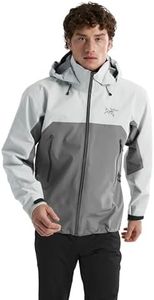
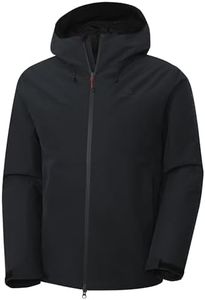
Arc'teryx Beta Insulated Jacket Men's | Insulated Gore-Tex Mountain Shell | Nightscape, Large

Rating
10.0
Chosen by1,402
Waterproofing
Breathability
Insulation

Most important from
10 reviews

Waterproofing
The Gore-Tex fabric provides reliable waterproofing and breathability, ensuring comfort in harsh weather.
Breathability
The Gore-Tex fabric provides reliable waterproofing and breathability, ensuring comfort in harsh weather.
Insulation
The insulation keeps warmth without adding bulk, allowing freedom of movement on the slopes.

The Arc'teryx Beta Insulated Jacket is designed as a high-performance mountain shell with insulation, making it well-suited for skiing and other intense outdoor activities. It uses Gore-Tex fabric, which is known for being waterproof, windproof, and breathable—key qualities that help keep you dry and comfortable in snowy and wet conditions. The insulation uses Coreloft Continuous 90, providing warmth without too much bulk, which is important for retaining mobility on the slopes. The jacket is lightweight but offers strong protection against wind and weather, which is great when skiing at high altitudes or in harsh conditions.

Fit-wise, the Beta line is known for allowing freedom of movement, so this jacket should feel comfortable whether you’re actively skiing or hiking. The breathable Gore-Tex fabric helps prevent overheating during physical exertion. Seam construction benefits from Gore-Tex technology, ensuring full waterproof sealing.

The fabric is made in China and the jacket is machine washable, which is handy for care. This jacket is a solid choice for skiers wanting a reliable, insulated Gore-Tex shell that balances warmth, protection, and mobility.

Rating
10.0
Chosen by1,402
Waterproofing
Breathability
Insulation

Most important from
10 reviews

Waterproofing
The Gore-Tex fabric provides reliable waterproofing and breathability, ensuring comfort in harsh weather.
Breathability
The Gore-Tex fabric provides reliable waterproofing and breathability, ensuring comfort in harsh weather.
Insulation
The insulation keeps warmth without adding bulk, allowing freedom of movement on the slopes.
#2

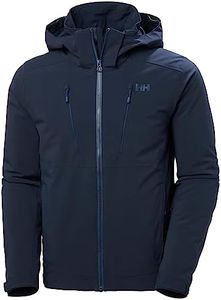
The North Face Men's ThermoBall Snow Triclimate Jacket - 3-in-1 Ski & Snowboard Coat, Waterproof Shell, Insulated Inner, TNF Black-NPF, Medium

Rating
9.7
Waterproofing
Fit
Hood

Most important from
43 reviews

Waterproofing
The jacket effectively blocks wind and provides reliable warmth, making it a top choice for extremely cold days.
Fit
The fit is spot on, delivering comfort and freedom of movement without feeling bulky.
Hood
Its adjustable hood offers extra protection and comfort, enhancing the overall skiing experience.

The North Face Men’s ThermoBall Eco Snow Triclimate Jacket is a versatile choice for skiers looking for a jacket that adapts well to changing weather. Thanks to its 3-in-1 design, you can wear the waterproof outer shell, the insulated inner jacket, or both together—giving you flexible warmth and protection whether it’s wet, cold, or mild outside. The outer shell uses DryVent technology and a water-repellent finish to keep you dry and shielded from wind, while still allowing moisture to escape so you won’t feel clammy. Inside, the ThermoBall Eco and Heatseeker Eco insulation offer good warmth without bulk, and the use of recycled materials adds an eco-friendly touch.

The fit is described as standard but allows for comfortable movement, particularly across the shoulders and chest, which is important for active skiing. Ventilation is addressed with underarm vents, helping you cool down when you’re working hard on the slopes. A helmet-compatible hood and powder skirt provide extra weather protection by fitting snugly and keeping snow out. The jacket offers practical pockets for storage and is zip-in compatible with other North Face layers.

This jacket suits skiers wanting a reliable, adaptable jacket that balances waterproofing, warmth, and breathability in an eco-conscious package. It may be less ideal for those seeking maximum insulation for extremely cold conditions or a highly tailored fit.

Rating
9.7
Waterproofing
Fit
Hood

Most important from
43 reviews

Waterproofing
The jacket effectively blocks wind and provides reliable warmth, making it a top choice for extremely cold days.
Fit
The fit is spot on, delivering comfort and freedom of movement without feeling bulky.
Hood
Its adjustable hood offers extra protection and comfort, enhancing the overall skiing experience.
#3

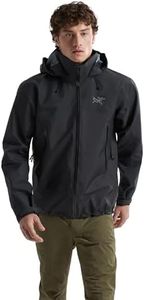
Arc'teryx Beta AR Men's Jacket | Waterproof, Windproof Gore-Tex Pro Shell Men's Winter Jacket with Hood for All Round Use | Black Sapphire, Medium

Rating
8.8
Waterproofing
Breathability
Fit

Most important from
73 reviews

Waterproofing
A highly reliable hard shell that stands up well to harsh conditions.
Breathability
Combines durable protection with breathability, making it comfortable during intense outdoor use.
Fit
The jacket’s design supports layering flexibility, ideal for adapting to changing mountain weather.
Hood
Helmet-compatible hood and adjustable closures effectively keep out snow and cold.

The Arc'teryx Beta AR Men's Jacket is a top choice for serious skiers and outdoor adventurers looking for a durable, all-around winter shell. Its standout feature is the use of Gore-Tex Pro fabric, which offers excellent waterproofing and windproof protection while remaining breathable—key for staying dry and comfortable during intense activity or variable mountain weather. The jacket is designed without heavy insulation, making it versatile for layering depending on temperature, which is helpful for skiers who want freedom of movement and adaptability.

The helmet-compatible DropHood provides good coverage and protection without interfering with your helmet, and the adjustable cuffs and hem help seal out snow and cold. Ventilation is built in through zippers, allowing airflow when needed, which prevents overheating. Storage is practical with spacious, high-volume pockets placed for easy access even with gloves on. The seams are sealed to keep moisture out, adding to its reliability in wet conditions.

This jacket serves primarily as a technical shell rather than a heavily insulated coat, so it may require additional layers in very cold conditions. Some might find the premium price reflects its high-end materials and features but could be a consideration if budget is a concern. It is best suited for those who need a rugged, breathable, waterproof shell for skiing or alpine activities, especially when paired with warm mid-layers.

Rating
8.8
Waterproofing
Breathability
Fit

Most important from
73 reviews

Waterproofing
A highly reliable hard shell that stands up well to harsh conditions.
Breathability
Combines durable protection with breathability, making it comfortable during intense outdoor use.
Fit
The jacket’s design supports layering flexibility, ideal for adapting to changing mountain weather.
Hood
Helmet-compatible hood and adjustable closures effectively keep out snow and cold.

Buying Guide for the Best Mens Ski Jackets

Choosing the right men's ski jacket is crucial for ensuring comfort, warmth, and protection while skiing. The right jacket will keep you dry, regulate your body temperature, and allow for freedom of movement. When selecting a ski jacket, consider the conditions you'll be skiing in, your personal preferences, and the specific features that will best meet your needs.
WaterproofingWaterproofing is the jacket's ability to keep water out, which is essential for staying dry in snowy or wet conditions. This is usually measured in millimeters (mm) and indicates how much water pressure the fabric can withstand before leaking. Jackets with a rating of 5,000-10,000mm are suitable for light snow and occasional rain, while those with 10,000-20,000mm are better for moderate to heavy snow. For extreme conditions, look for ratings above 20,000mm. Choose a waterproof rating based on the typical weather conditions you'll encounter on the slopes.
BreathabilityBreathability refers to how well the jacket allows moisture from sweat to escape, keeping you dry and comfortable. This is measured in grams (g) and indicates how much moisture can pass through the fabric in a 24-hour period. Jackets with a breathability rating of 5,000-10,000g are suitable for less intense activities, while those with 10,000-20,000g are better for more active skiing. For high-intensity skiing or backcountry adventures, look for ratings above 20,000g. Choose a breathability rating based on how active you plan to be while skiing.
InsulationInsulation is the material inside the jacket that provides warmth. There are two main types: down and synthetic. Down insulation is lightweight and very warm but can lose its insulating properties when wet. Synthetic insulation is bulkier but retains warmth even when damp. The amount of insulation you need depends on the temperatures you'll be skiing in. For very cold conditions, look for jackets with higher insulation levels. For milder conditions or if you tend to overheat, opt for lighter insulation or a shell jacket that you can layer underneath.
FitThe fit of a ski jacket affects both comfort and performance. A well-fitting jacket should allow for a full range of motion without being too tight or too loose. There are generally three types of fits: slim, regular, and relaxed. Slim fit jackets are more form-fitting and may be preferred by those who want a sleek look and less bulk. Regular fit offers a balance between comfort and mobility, suitable for most skiers. Relaxed fit provides more room for layering and is ideal for those who prioritize comfort. Choose a fit based on your personal preference and how you plan to layer underneath.
VentilationVentilation features, such as pit zips or mesh-lined vents, help regulate your body temperature by allowing excess heat to escape. This is especially important during intense skiing or in warmer conditions. If you tend to overheat or ski in variable temperatures, look for jackets with good ventilation options. These features can help you stay comfortable by preventing overheating and allowing you to adjust airflow as needed.
Pockets and StoragePockets and storage options are important for carrying essentials like your phone, wallet, ski pass, and snacks. Consider the number and placement of pockets to ensure they meet your needs. Some jackets have specialized pockets, such as a pass pocket on the sleeve or an internal media pocket with a headphone port. Think about what you typically carry with you on the slopes and choose a jacket with enough storage options to keep your items secure and easily accessible.
HoodA hood can provide extra protection from wind, snow, and cold. Some hoods are helmet-compatible, meaning they can fit over a ski helmet, while others are designed to be worn without a helmet. Adjustable hoods allow you to customize the fit for better coverage and comfort. If you often ski in harsh weather conditions, a helmet-compatible, adjustable hood can be very beneficial. Consider whether you prefer a removable hood for versatility or a fixed hood for consistent protection.
SeamsSeams are the stitched lines where pieces of fabric are joined together. Fully taped seams are sealed to prevent water from seeping through, providing maximum waterproofing. Critically taped seams are sealed only in high-exposure areas, offering moderate protection. If you ski in wet or snowy conditions, fully taped seams are recommended for the best waterproofing. For drier conditions, critically taped seams may be sufficient. Choose based on the typical weather conditions you'll encounter.

FAQ