We Use CookiesWe use cookies to enhance the security, performance, functionality and for analytical and promotional activities. By continuing to browse this site you are agreeing to our privacy policy

10 Best Alto Saxophones 2025 in the United States

How do we rank products for you?

Our technology thoroughly searches through the online shopping world, reviewing hundreds of sites. We then process and analyze this information, updating in real-time to bring you the latest top-rated products. This way, you always get the best and most current options available.

headphones-stars

Our Top Picks

#1

Winner

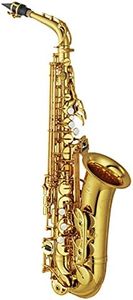
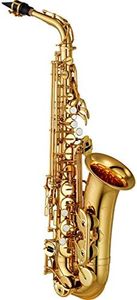
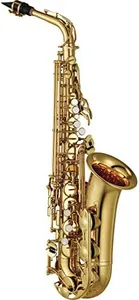
YAMAHA YAS-280 Saxophones Student Alto Saxophones, Eb, Gold Lacquer

Rating
10.0
Chosen by1,355
Key Mechanism
Mouthpiece
Weight

Most important from
289 reviews

Key Mechanism
The YAS-280 offers smooth, easy action in all registers, making it a pleasure to play.
Mouthpiece
The included accessories, such as the neck strap and mouthpiece, add value, though an upgrade to the mouthpiece is recommended for better sound.
Weight
The saxophone is relatively lightweight, making it manageable for students, though some might find it a bit heavy for extended practice.

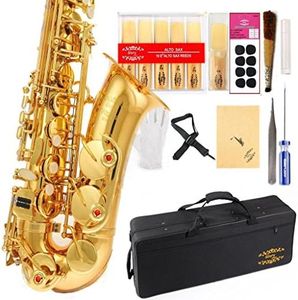
The YAMAHA YAS-280 is a student-level alto saxophone that offers a robust set of features and reliable performance. Made by Yamaha, a reputable leader in musical instruments, this saxophone is designed with the beginner in mind. It is constructed with a gold lacquer finish which not only provides durability but also an appealing, professional look. The instrument features high F# and Front F auxiliary keys which can assist new players in achieving more advanced notes with ease.

It comes with a case, providing protection and making it easier to transport the saxophone to lessons and performances. The saxophone is designed in the key of B Flat, which is standard for alto saxophones. It's worth noting that this instrument is relatively lightweight at 13.23 pounds, making it manageable for students of various ages and sizes. However, some might find the weight a bit heavy for extended practice sessions.

While the Yamaha YAS-280 may not offer the advanced features found in professional models, it stands out as a solid choice for students and beginners looking to learn and grow their skills.

Rating
10.0
Chosen by1,355
Key Mechanism
Mouthpiece
Weight

Most important from
289 reviews

Key Mechanism
The YAS-280 offers smooth, easy action in all registers, making it a pleasure to play.
Mouthpiece
The included accessories, such as the neck strap and mouthpiece, add value, though an upgrade to the mouthpiece is recommended for better sound.
Weight
The saxophone is relatively lightweight, making it manageable for students, though some might find it a bit heavy for extended practice.
#2

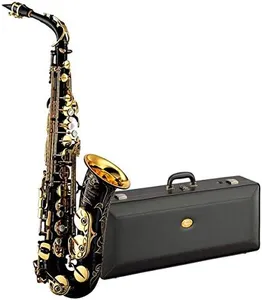
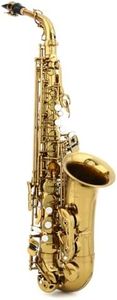
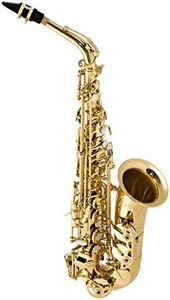
Yamaha YAS82ZII Custom Z Professional Alto Saxophone (Black Lacquered)

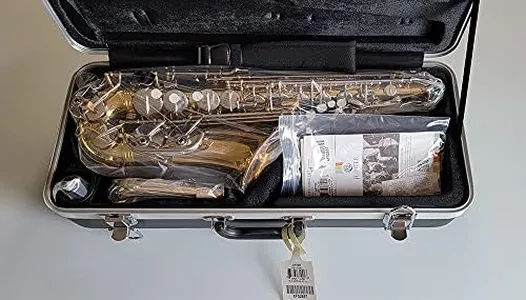
The Yamaha YAS82ZII Custom Z Professional Alto Saxophone is a solid option for those serious about their music, especially professional musicians. One of its standout features is its construction quality, made from durable metal, which contributes to a rich, warm sound that many players appreciate. The black lacquered finish not only adds to its aesthetic appeal but also provides some protection against wear and tear. Weighing in at 17.2 pounds, it's relatively manageable for extended play, though some may find it slightly heavy compared to other models.

In terms of playability, the key mechanism is designed for smooth operation, allowing for easy transitions between notes. This can be especially beneficial for those who perform frequently or are in practice. The neck design of this saxophone is crafted to enhance tonal quality, making it a favorite among professionals who prioritize sound quality. Additionally, the mouthpiece and reed compatibility are designed to complement the instrument's capabilities, allowing for personalized sound preferences.

This saxophone comes with a few drawbacks. Its price point may be higher than what beginner players are willing to invest, making it more suitable for intermediate to advanced musicians. Also, while the vintage style is attractive, it may not appeal to everyone’s taste. The item’s weight could be a factor for younger players or those who prefer a lighter instrument for ease of handling.

The Yamaha YAS82ZII is best suited for professional players or serious students looking for a high-quality instrument that offers excellent sound and performance. While it has a few limitations regarding weight and cost, its strengths in sound quality and construction make it a worthwhile consideration for anyone dedicated to mastering the alto saxophone.

#3

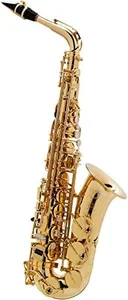
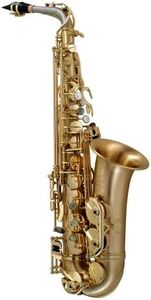
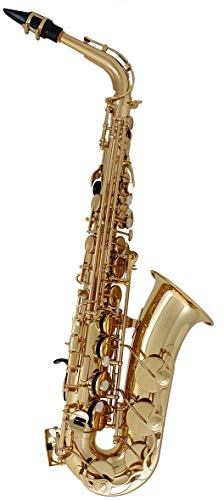
Selmer Paris Series II Model 52 Jubilee Edition Alto Saxophone 52JU - Lacquer

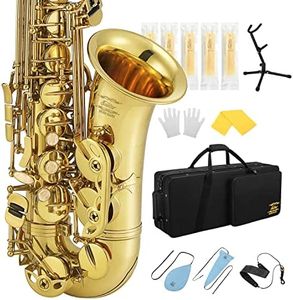
The Selmer Paris Series II Model 52 Jubilee Edition Alto Saxophone is crafted from brass with a gold tone lacquer finish, which adds warmth and a richer sound presence. It features a redesigned octave neck key with a lighter mechanism designed to make playing smoother and less physically demanding. The S80C mouthpiece included is known for good acoustic resonance, helping produce a dynamic, clear tone suitable for various musical styles.

The elegant outline engraving and Henri Selmer’s signature add a touch of classic, refined aesthetics, appealing to those who appreciate both sound quality and visual design. Weighing about 15.45 pounds, it’s a solid instrument that might feel slightly heavy for some players during long sessions. This model is targeted toward professional musicians due to its precise construction and advanced features, making it less ideal for beginners who may find it complex and pricey.

The saxophone’s robust build, elegant design, and refined sound make it a strong choice for serious players seeking a reliable and beautiful instrument that performs well across different music styles.

Buying Guide for the Best Alto Saxophones

Choosing the right alto saxophone can be a rewarding experience, whether you're a beginner, intermediate, or advanced player. The key is to understand the different specifications and how they align with your playing style, skill level, and personal preferences. By focusing on these aspects, you can find an instrument that not only sounds great but also feels comfortable to play.
MaterialThe material of an alto saxophone affects its sound and durability. Most saxophones are made from brass, but the finish can vary, including lacquer, silver plating, or gold plating. Lacquered brass is common and provides a warm sound, while silver plating can offer a brighter tone. Gold plating is often used for its aesthetic appeal and can slightly darken the sound. Choose a material that matches the sound you prefer and consider the maintenance required for each finish.
Key MechanismThe key mechanism refers to the design and layout of the keys on the saxophone. A well-designed key mechanism allows for smooth and comfortable playability. Beginners should look for saxophones with ergonomically designed keys that are easy to reach and press. Intermediate and advanced players might prefer more complex key mechanisms that offer additional features like high F# keys. Consider your hand size and playing style when choosing the key mechanism.
NeckThe neck of the alto saxophone can influence the instrument's response and intonation. Some saxophones come with interchangeable necks, allowing players to customize their sound. A straight neck typically provides a more focused sound, while a curved neck can offer a warmer tone. Beginners should start with the standard neck provided, while more experienced players might experiment with different neck shapes to find their preferred sound.
MouthpieceThe mouthpiece is a crucial component that significantly affects the saxophone's sound and playability. Mouthpieces come in various shapes, sizes, and materials. A beginner should start with a standard mouthpiece that offers a balanced sound and is easy to play. Intermediate and advanced players might explore different mouthpiece designs to achieve specific tonal qualities. It's important to try out several mouthpieces to find one that suits your embouchure and playing style.
ReedReeds are essential for producing sound on the saxophone and come in different strengths and materials. The strength of a reed is indicated by a number, with lower numbers being softer and easier to play, and higher numbers being harder and offering more resistance. Beginners should start with softer reeds (strength 1.5 to 2.5) to make it easier to produce sound. As you progress, you can experiment with harder reeds to achieve different tonal qualities and control.
BellThe bell of the saxophone affects the projection and resonance of the instrument. A larger bell can produce a fuller, more resonant sound, while a smaller bell might offer a more focused tone. Consider the type of music you play and the sound you want to achieve when choosing a saxophone with a particular bell size. Jazz players might prefer a larger bell for a richer sound, while classical players might opt for a smaller bell for precision.
WeightThe weight of the saxophone can impact your comfort, especially during long practice sessions or performances. Lighter saxophones are easier to handle and are often preferred by beginners and younger players. Heavier saxophones might offer more durability and a richer sound but can be more challenging to manage. Consider your physical strength and how long you typically play when choosing the weight of your saxophone.

FAQ