We Use CookiesWe use cookies to enhance the security, performance, functionality and for analytical and promotional activities. By continuing to browse this site you are agreeing to our privacy policy

10 Best Backcountry Snowshoes 2026 in the United States
How do we rank products for you?

Our technology thoroughly searches through the online shopping world, reviewing hundreds of sites. We then process and analyze this information, updating in real-time to bring you the latest top-rated products. This way, you always get the best and most current options available.

headphones-stars

Our Top Picks

#1

Winner

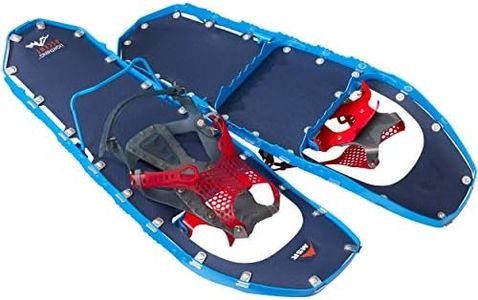
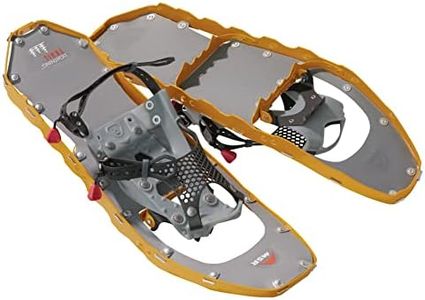
MSR Lightning Ascent Backcountry & Mountaineering Snowshoes with Paragon Bindings, 25 Inch Pair, Cobalt Blue

Rating
10.0
Chosen by1,496
Bindings
Traction
Heel Lift

Most important from
140 reviews

Bindings
These snowshoes are impressive for trail breaking and serious snowshoeing, consistently keeping you on top of the snow without falling off, thanks to the fantastic Paragon Bindings and incredible traction on steep slopes.
Traction
These snowshoes are impressive for trail breaking and serious snowshoeing, consistently keeping you on top of the snow without falling off, thanks to the fantastic Paragon Bindings and incredible traction on steep slopes.
Heel Lift
Comfortable bindings that are easy to put on and take off, along with lifters that can be adjusted with a trekking pole, make these snowshoes user-friendly for long high peak hikes.

The MSR Lightning Ascent Backcountry & Mountaineering Snowshoes are designed for serious mountaineers and backcountry enthusiasts. Weighing just 4.33 pounds, they are ultralight, which makes them easy to carry and reduces fatigue during long treks. The 360-degree Traction Frames and steel DTX crampons provide excellent grip and stability on various terrains, including steep and icy slopes.

The Paragon bindings offer a comfortable and secure fit without creating pressure points on your feet, which is great for long hours of use. Additionally, the Ergo Televator heel lift bar is a standout feature that makes uphill climbs easier and less tiring, enhancing efficiency on steep ascents. However, the maximum weight capacity is 220 pounds; users above this weight limit may find these snowshoes less effective.

While the 25-inch size is suitable for many users, it may not be ideal for those with larger frames or those carrying heavy backpacks. Made from durable alloy steel and plastic, these snowshoes are built to last but might not be the lightest option for those who prioritize minimal weight above all. These snowshoes are well-suited for those who need reliable performance in challenging backcountry and mountaineering conditions.

Rating
10.0
Chosen by1,496
Bindings
Traction
Heel Lift

Most important from
140 reviews

Bindings
These snowshoes are impressive for trail breaking and serious snowshoeing, consistently keeping you on top of the snow without falling off, thanks to the fantastic Paragon Bindings and incredible traction on steep slopes.
Traction
These snowshoes are impressive for trail breaking and serious snowshoeing, consistently keeping you on top of the snow without falling off, thanks to the fantastic Paragon Bindings and incredible traction on steep slopes.
Heel Lift
Comfortable bindings that are easy to put on and take off, along with lifters that can be adjusted with a trekking pole, make these snowshoes user-friendly for long high peak hikes.
#2

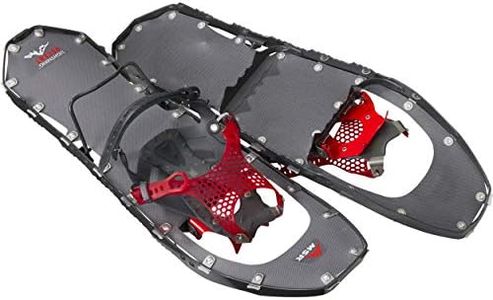
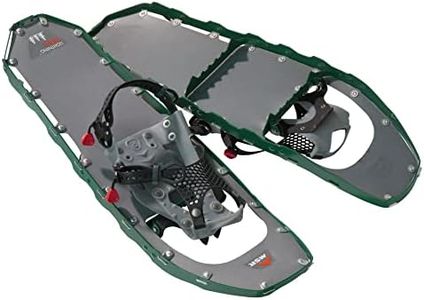
MSR Lightning Ascent Women's Backcountry & Mountaineering Snowshoes with Paragon Bindings, 25 Inch Pair, Gunmetal

Rating
9.1
Weight Capacity

Most important from
46 reviews

Weight Capacity
Super lightweight and easy to walk in, making them ideal for any uphills or climbs.

The MSR Lightning Ascent Women's Backcountry & Mountaineering Snowshoes are designed for female snowshoers who enjoy winter hiking in mountainous terrain. These snowshoes are lightweight at 4.04 lbs per pair, making them easy to carry and maneuver. The tapered frame is ideal for individuals with a narrow stride, ensuring comfort and ease of movement.

The frames provide 360-degree traction, which is particularly beneficial on traverses and steep slopes. The durable steel DTX crampons offer excellent grip on varied terrains, enhancing safety and stability. The Paragon bindings are notable for their one-piece contouring strap that securely wraps around the boots, providing a snug fit without causing pressure points. This feature aids in maintaining alignment and control during use.

The Ergo Televator heel lift bar is an added advantage for tackling steep ascents, as it helps increase efficiency and reduce fatigue. These snowshoes can support up to 220 pounds, accommodating a wide range of users. In summary, these snowshoes are well-suited for serious backcountry enthusiasts who prioritize traction, durability, and comfort in challenging terrains.

Rating
9.1
Weight Capacity

Most important from
46 reviews

Weight Capacity
Super lightweight and easy to walk in, making them ideal for any uphills or climbs.
#3

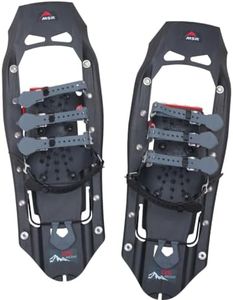
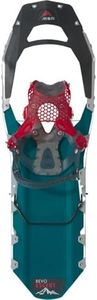
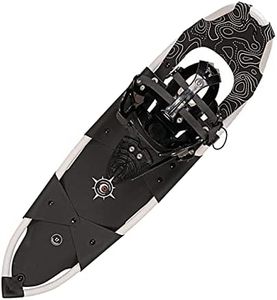
MSR Evo Ascent Backcountry & Mountaineering Snowshoes, 22 Inch Pair

Rating
8.8
Frame Material
Bindings
Traction

Most important from
87 reviews

Frame Material
Despite their lightweight plastic build, these snowshoes hold up well on mixed terrains, including rocks and roots, making them versatile for different hiking conditions.
Bindings
The heavy rubber to metal bindings are built to last, surviving two seasons without issues and proving durable in various conditions.
Traction
The traction on these snowshoes is phenomenal, making them a reliable choice over crampons even on steep slopes like the Baldy Bowl.
Heel Lift
The televator heel lifts are a game-changer, significantly reducing fatigue and improving traction on steep climbs.

The MSR Evo Ascent Backcountry & Mountaineering Snowshoes are a solid choice for anyone venturing into backcountry snowshoeing or mountaineering. The 22-inch size is suitable for maneuverability in various terrains, and the steel frame ensures durability. One of the standout features is the steel traction rails and brake bars integrated into the snowshoe deck, providing excellent grip on icy or steep slopes.

The bindings are well-designed, accommodating a wide range of footwear and remaining easy to adjust even with gloves on – a definite plus in freezing conditions. The Televator heel lifts are another highlight, reducing fatigue and improving traction on steep climbs. These can be activated easily with gloves, which is convenient.

The snowshoes are relatively lightweight at 4.1 pounds, but their maximum weight capacity is 180 pounds. This may be limiting for users carrying heavy gear, though modular flotation tails (sold separately) can increase capacity to 250 pounds. Some users may find this additional purchase necessary for their needs. The product's build quality is commendable, made in the USA with a combination of alloy steel and plastic materials. However, the bindings' performance in extreme cold, while generally good, may not be as flawless as promised and could be an area for improvement. The MSR Evo Ascent Backcountry & Mountaineering Snowshoes are highly recommended for men (shoe sizes 4.5-15) looking for reliable and durable snowshoes for serious backcountry adventures.

Rating
8.8
Frame Material
Bindings
Traction

Most important from
87 reviews

Frame Material
Despite their lightweight plastic build, these snowshoes hold up well on mixed terrains, including rocks and roots, making them versatile for different hiking conditions.
Bindings
The heavy rubber to metal bindings are built to last, surviving two seasons without issues and proving durable in various conditions.
Traction
The traction on these snowshoes is phenomenal, making them a reliable choice over crampons even on steep slopes like the Baldy Bowl.
Heel Lift
The televator heel lifts are a game-changer, significantly reducing fatigue and improving traction on steep climbs.

Buying Guide for the Best Backcountry Snowshoes

Choosing the right backcountry snowshoes is essential for ensuring a safe and enjoyable experience in snowy terrains. Snowshoes help distribute your weight over a larger area, preventing you from sinking into the snow. When selecting snowshoes, consider the type of terrain you'll be navigating, the snow conditions, and your personal preferences. Here are some key specifications to consider when picking the best snowshoes for your needs.
SizeSnowshoe size is crucial because it affects flotation and maneuverability. Larger snowshoes provide better flotation in deep, powdery snow, while smaller snowshoes are more maneuverable and better suited for packed trails or icy conditions. To choose the right size, consider your weight (including gear) and the typical snow conditions you'll encounter. Heavier individuals or those carrying heavy packs should opt for larger snowshoes, while lighter individuals or those on packed trails can go with smaller sizes.
Frame MaterialThe frame material of snowshoes impacts their durability and weight. Common materials include aluminum, composite, and plastic. Aluminum frames are lightweight and durable, making them suitable for various conditions. Composite frames are also lightweight and offer good durability, often with added flexibility. Plastic frames are typically more affordable and can be very durable but may be heavier. Choose a frame material based on your preference for weight, durability, and cost.
BindingsBindings secure your boots to the snowshoes and are essential for comfort and stability. There are different types of bindings, including strap bindings, ratchet bindings, and BOA bindings. Strap bindings are versatile and fit most boot types but can be time-consuming to adjust. Ratchet bindings offer quick adjustments and a secure fit but may not be as comfortable for long treks. BOA bindings provide easy, precise adjustments with a dial system and are very user-friendly. Consider the type of boots you'll be wearing and how easy you want the bindings to be to adjust.
TractionTraction is provided by crampons and other metal teeth on the underside of the snowshoes, which help you grip icy or steep terrain. More aggressive traction is necessary for backcountry and mountainous terrain, while less aggressive traction is sufficient for flat or rolling terrain. If you plan to hike in icy or steep conditions, look for snowshoes with robust crampons and additional traction features. For gentler terrain, moderate traction will suffice.
Heel LiftHeel lifts, also known as climbing bars, are metal bars that can be flipped up under your heels to reduce calf strain on steep ascents. This feature is particularly useful for backcountry and mountainous terrain, as it makes climbing more efficient and less tiring. If you plan to tackle steep hills, look for snowshoes with heel lifts. For flatter terrain, this feature may not be necessary.
Weight CapacityWeight capacity refers to the maximum weight the snowshoes can support, including your body weight and any gear you are carrying. It's important to choose snowshoes that can handle your total weight to ensure proper flotation and performance. Check the manufacturer's weight recommendations and select snowshoes that match your weight range. If you plan to carry heavy packs, opt for snowshoes with a higher weight capacity.

FAQ